
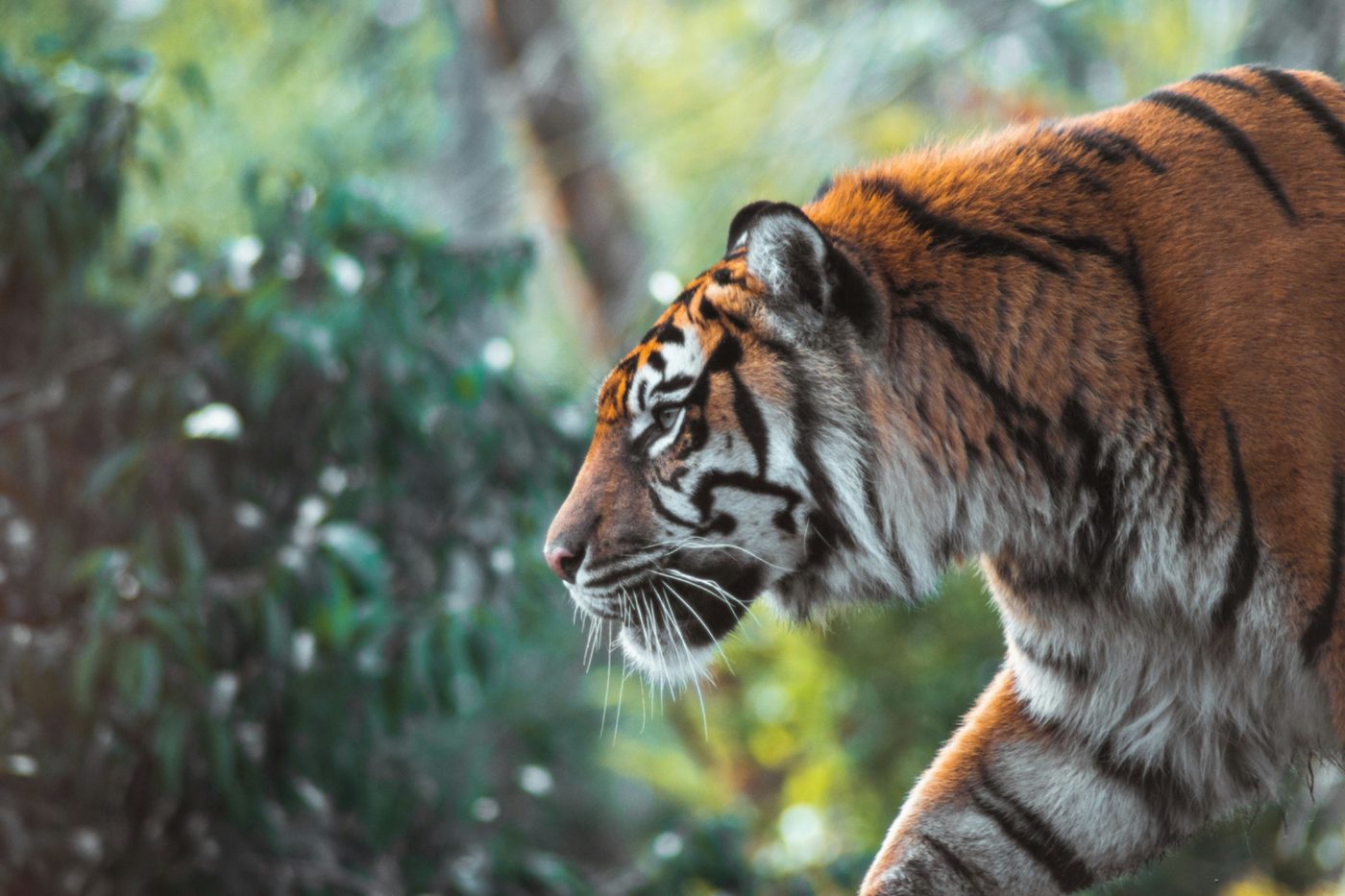
Season 1: Tiger
Season 1 is about making Compose easier to live in.
Tolstoy Compose has launched. Season 1 focuses on the parts you touch every day: the editor, the interface, Shelf, links, keyboard movement and everyday performance.
What is coming in Season 1
The work this season is practical. It is about making common writing actions clearer, faster and less fragile.
Refining the user experience and interface
We are tightening the editor, panels and controls so Compose feels clearer while you write. The aim is simple: fewer rough edges between you and the document.
Better keyboard navigation
Compose should work well when your hands are already on the keyboard. This season improves how you move through the app and your document without relying on the pointer for every step.
Improved link system
Links are becoming more useful inside the writing process. The plan includes support for phone links and links to headings inside your document, alongside standard web links.
Shelf improvements
Shelf is where notes, links and saved passages can wait beside the draft. This season improves how that material is collected, organised and returned to while you write.
Performance stabilisation
The work also includes speed, reliability and responsiveness improvements, especially across everyday writing actions that need to feel quiet and dependable.
Why seasons are named after animals
We name each season after an animal as a small reminder that the tools we build exist within a living, connected world.
The name gives each product season a clear marker. It also reminds us that good software is not only about adding features. It is about building carefully, paying attention to how people work and staying connected to the world beyond the screen.
About tigers
Tigers are the largest living cats and one of the most recognisable animals in the world. They are a single species, Panthera tigris, with several living subspecies found across parts of Asia.
Fewer than 6,000 tigers are estimated to remain in the wild. Their future depends on protected habitats, connected landscapes and long-term conservation work.